The Need for Smarter Shop Floor Operations
Manufacturers today face increasing pressure to deliver high-quality products while maintaining speed, efficiency, and cost control on the shop floor. Manual processes, disconnected systems, and limited real-time visibility often lead to production delays, quality issues, and unnecessary downtime. This is where MES Production Software becomes a critical tool for modern manufacturing operations.
MES Production Software connects people, machines, and processes in real time, providing manufacturers with accurate production data and actionable insights directly from the shop floor. By bridging the gap between enterprise systems and day-to-day manufacturing activities, MES enables better control over production workflows, quality checks, and operational performance. As a result, manufacturers can respond faster to issues, reduce variability, and ensure consistent product quality.
In this blog, we explore how MES Production Software improves both quality and efficiency on the shop floor, helping manufacturers streamline operations, minimise waste, and achieve sustainable operational excellence.
What Is MES Production Software?
MES Production Software (Manufacturing Execution System) is a digital solution designed to manage, monitor, and control manufacturing operations in real time on the shop floor. It acts as a vital link between enterprise-level systems such as ERP and the actual production processes, ensuring that manufacturing activities are executed efficiently, consistently, and according to plan.
At its core, MES Production Software captures live data from machines, operators, and production lines to provide complete visibility into what is happening on the shop floor. This includes tracking production progress, monitoring machine performance, managing work orders, and enforcing standard operating procedures. By centralising this information, MES enables manufacturers to make faster, data-driven decisions that improve both quality and productivity.
Unlike ERP systems, which focus on planning and resource management, MES Production Software is execution-focused. It ensures that production instructions are followed correctly, quality checks are completed at the right stages, and any deviations are identified and addressed immediately. Compared to standalone machine monitoring or manual reporting tools, MES delivers a unified, real-time view of manufacturing performance, helping organisations maintain control, traceability, and operational excellence across the entire shop floor.
Key Challenges on the Shop Floor Without MES Production Software
Manufacturers that operate without MES Production Software often struggle with limited visibility, inconsistent processes, and delayed decision-making on the shop floor. Relying on manual data collection, spreadsheets, or disconnected systems creates gaps in information that directly impact both quality and efficiency.
One of the most common challenges is the lack of real-time production data. Without MES Production Software, production status, machine performance, and quality results are often reported after the fact. This delay makes it difficult to identify issues as they occur, leading to extended downtime, missed production targets, and increased operational costs.
Quality control is another major concern. In the absence of MES Production Software, quality checks are frequently performed manually and inconsistently across shifts and production lines. Defects may go unnoticed until final inspection, resulting in higher scrap rates, rework, and customer complaints. Without accurate traceability, identifying the root cause of quality issues becomes time-consuming and unreliable.
Additionally, manufacturers without MES Production Software face challenges in standardising work instructions and enforcing compliance. Operators may follow outdated procedures, and documentation may be incomplete or inaccurate. This not only affects product consistency but also increases the risk of non-compliance with industry standards and regulatory requirements.
Overall, the lack of MES Production Software limits a manufacturer’s ability to control shop floor operations, respond quickly to problems, and continuously improve performance—placing them at a competitive disadvantage in today’s fast-paced manufacturing environment.
How MES Production Software Improves Product Quality
Maintaining consistent product quality is one of the biggest challenges in manufacturing. MES Production Software addresses this challenge by embedding quality controls directly into shop floor operations, ensuring that quality is monitored, measured, and improved in real time rather than after production is complete.
Real-Time Quality Monitoring and Control
MES Production Software enables continuous, real-time monitoring of quality parameters throughout the production process. By capturing inspection data directly from operators, machines, and sensors, MES allows manufacturers to detect deviations as soon as they occur. Automated alerts notify teams immediately when quality thresholds are breached, enabling corrective actions before defects spread further down the production line.
Standardised Processes and Digital Work Instructions
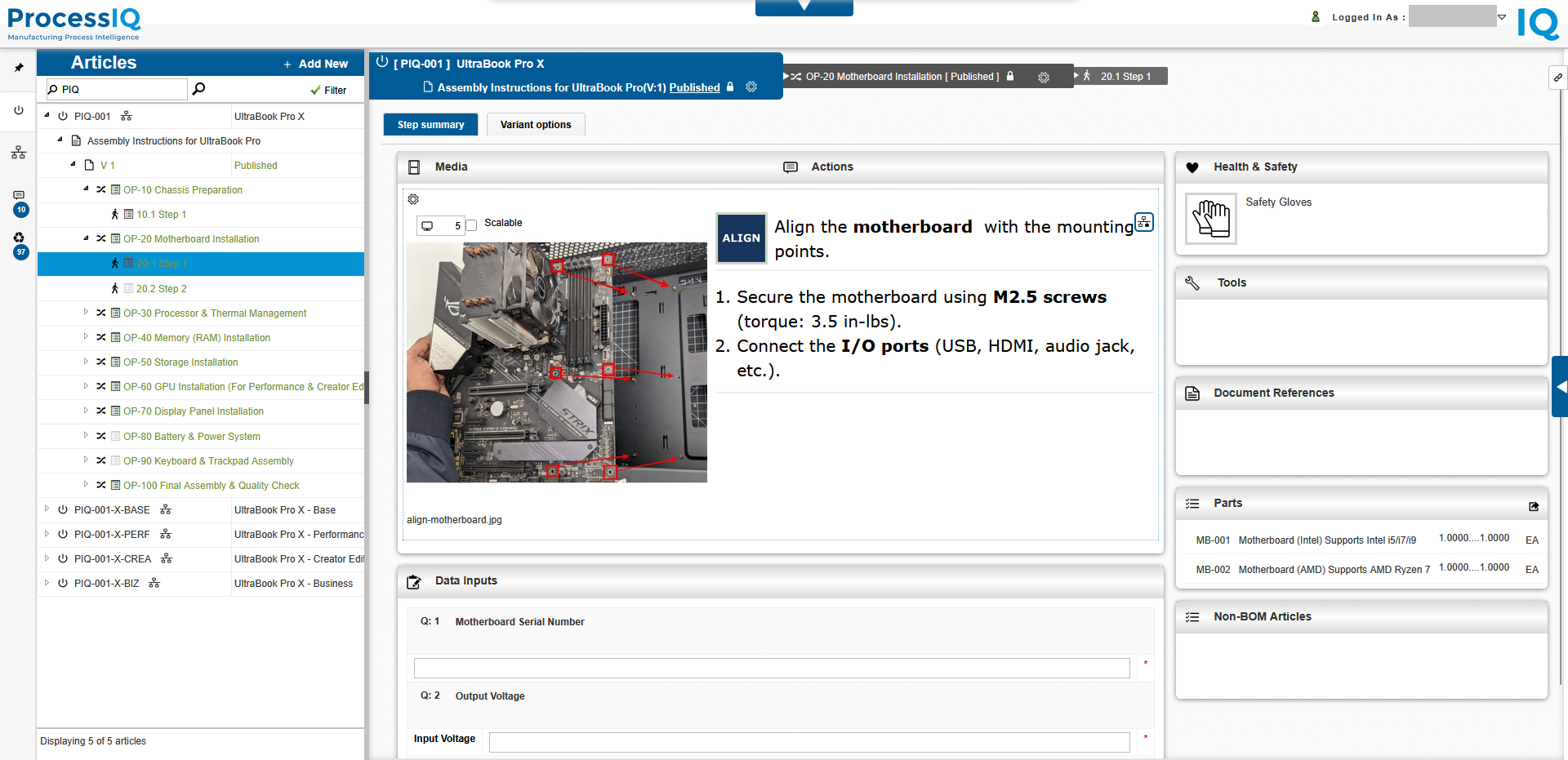
With MES Production Software, manufacturers can enforce standard operating procedures through digital work instructions on the shop floor. Operators receive step-by-step guidance tailored to specific products, machines, or workstations, reducing the risk of human error. This standardisation ensures consistent execution across shifts and facilities, leading to improved first-pass yield and reduced process variability.
End-to-End Traceability and Root Cause Analysis
MES Production Software provides full traceability of materials, batches, and serial numbers throughout the manufacturing lifecycle. In the event of a quality issue, manufacturers can quickly trace affected products back to specific processes, machines, or operators. This level of visibility supports faster root cause analysis, more effective corrective actions, and improved long-term quality performance.
By integrating quality control directly into daily production activities, MES Production Software helps manufacturers move from reactive quality management to a proactive, prevention-focused approach—resulting in higher product quality, reduced waste, and greater customer confidence.
How MES Production Software Boosts Shop Floor Efficiency
Beyond improving quality, MES Production Software plays a critical role in enhancing operational efficiency on the shop floor. By providing real-time visibility, automating workflows, and eliminating manual processes, MES helps manufacturers optimise production performance and maximise resource utilisation.
Real-Time Production Visibility
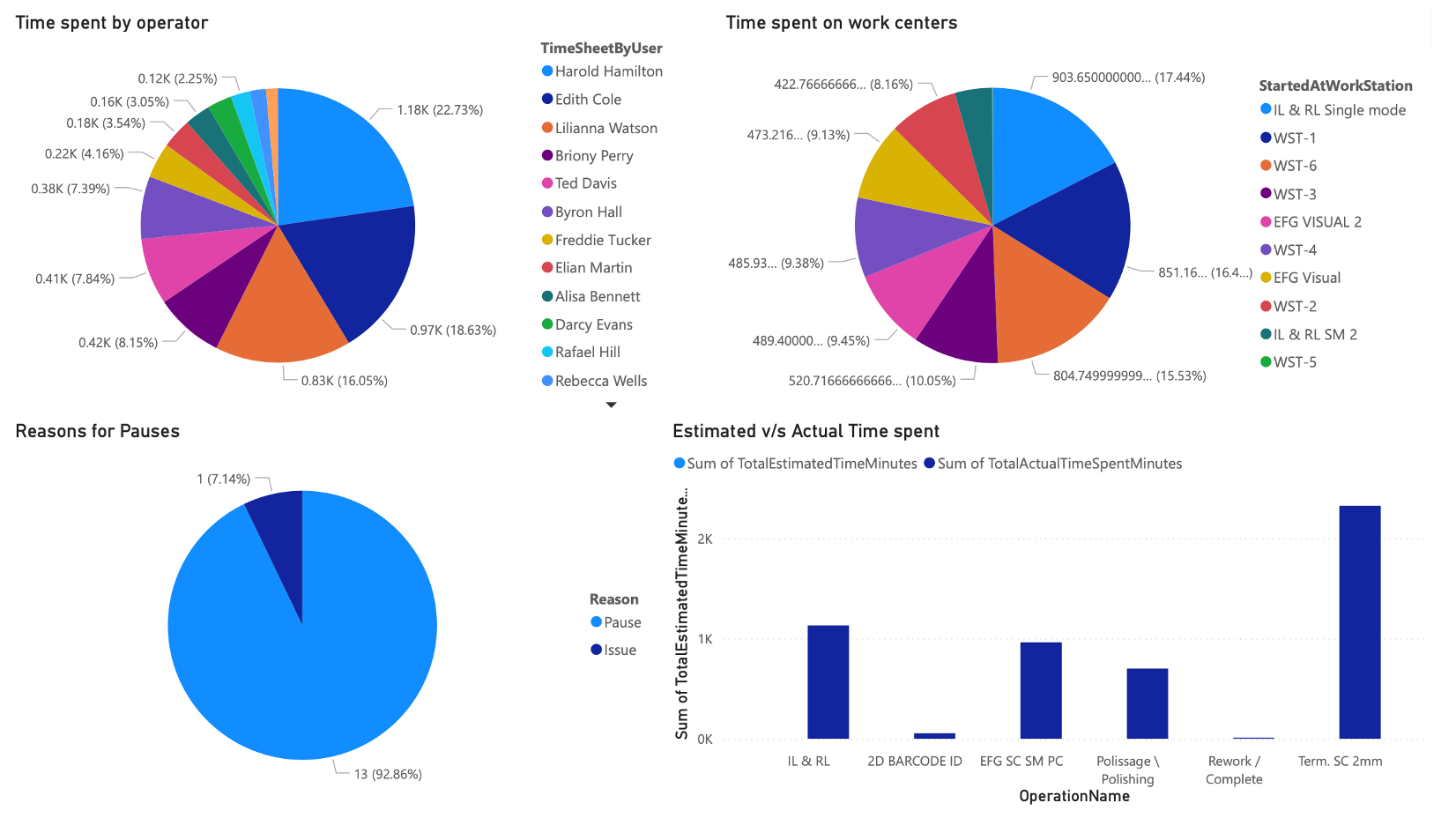
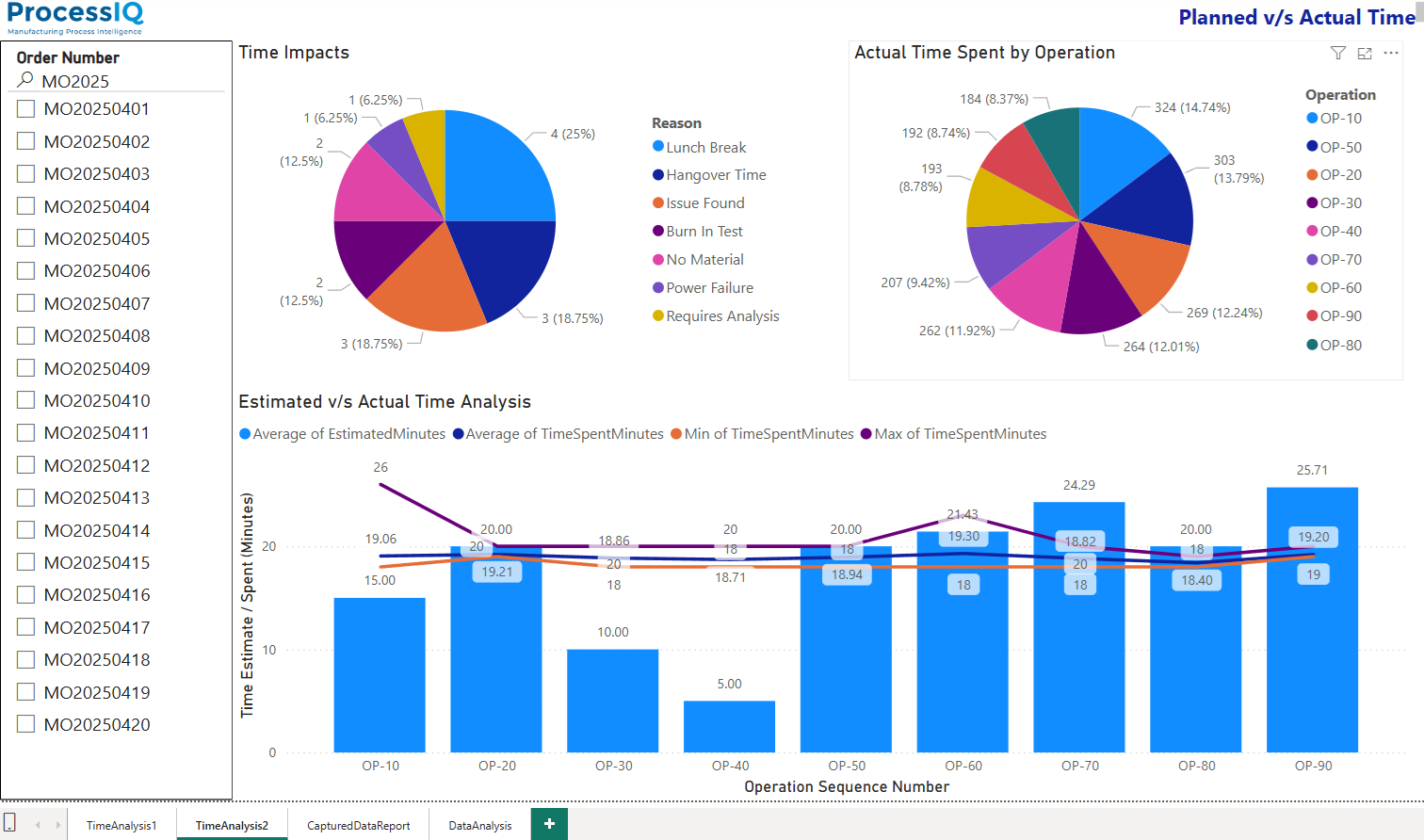
MES Production Software delivers live insights into production status, machine performance, and key metrics such as OEE, cycle times, and throughput. Supervisors and production managers can instantly see where bottlenecks or delays are occurring and take corrective action without waiting for end-of-shift reports. This real-time visibility enables faster decision-making and keeps production on track.
Reduced Downtime and Faster Issue Resolution
Unplanned downtime is one of the biggest efficiency killers on the shop floor. MES Production Software monitors equipment performance continuously and generates alerts when abnormalities occur. By identifying issues early and providing contextual data, MES enables maintenance and production teams to respond quickly, reducing downtime and improving overall equipment effectiveness.
Streamlined Workflows and Reduced Manual Effort
Manual data entry, paper-based reporting, and disconnected systems slow down production and increase the risk of errors. MES Production Software automates data collection and reporting, reducing administrative tasks for operators and supervisors. This allows teams to focus on value-added activities, improving workforce productivity and ensuring smoother, more efficient workflows across the shop floor.
By integrating people, processes, and machines into a single digital platform, MES Production Software helps manufacturers operate more efficiently, respond faster to change, and consistently meet production targets in an increasingly competitive manufacturing environment.
MES Production Software and Continuous Improvement
Continuous improvement is essential for manufacturers aiming to remain competitive, reduce costs, and enhance operational performance. MES Production Software provides the data foundation needed to support continuous improvement initiatives by delivering accurate, real-time, and historical production insights from the shop floor.
By collecting and analysing production, quality, and performance data, MES Production Software enables manufacturers to identify trends, recurring issues, and process inefficiencies. Teams can use this data to pinpoint root causes, measure the impact of corrective actions, and track performance improvements over time. This data-driven approach replaces assumptions with evidence, leading to more effective and sustainable improvements.
MES Production Software also supports Lean manufacturing, Six Sigma, and Kaizen initiatives by providing visibility into waste, downtime, rework, and process variation. Key performance indicators such as OEE, yield, and cycle time can be continuously monitored, helping manufacturers prioritise improvement efforts where they will have the greatest impact.
By embedding continuous improvement into daily operations, MES Production Software empowers manufacturers to move beyond short-term fixes and build a culture of ongoing optimisation—driving higher efficiency, improved quality, and long-term operational excellence.
Compliance and Regulatory Benefits of MES Production Software
Meeting industry regulations and quality standards is a critical requirement for manufacturers, particularly in highly regulated sectors such as pharmaceuticals, automotive, aerospace, and food production. MES Production Software helps manufacturers maintain compliance by embedding regulatory controls directly into shop floor operations.
With MES Production Software, all production activities, quality checks, and process changes are digitally recorded in real time, creating a complete and accurate audit trail. This eliminates reliance on paper-based records and manual documentation, reducing the risk of missing, inconsistent, or inaccurate compliance data. During audits, manufacturers can quickly access validated records, reports, and traceability information, significantly reducing audit preparation time and effort.
MES Production Software also enforces standard operating procedures and quality checks, ensuring that regulatory requirements are consistently followed across shifts, machines, and facilities. Automated workflows prevent operators from skipping mandatory inspections or process steps, helping manufacturers maintain compliance with standards such as ISO, GMP, FDA, IATF, and other industry-specific regulations.
By improving traceability, documentation accuracy, and process control, MES Production Software reduces compliance risks, helps avoid costly penalties, and protects brand reputation—while enabling manufacturers to operate with confidence in regulated manufacturing environments.
Real-World Use Cases of MES Production Software
Manufacturers across industries use MES Production Software to solve real shop floor challenges, improve operational visibility, and drive measurable improvements in quality and efficiency. Below are some common real-world use cases that demonstrate the value of MES in manufacturing environments.
Improving First-Pass Yield
By enforcing standardised processes and real-time quality checks, MES Production Software helps manufacturers reduce defects during initial production runs. Automated inspections and immediate feedback allow operators to correct issues early, resulting in higher first-pass yield and reduced rework.
Reducing Scrap and Rework
MES Production Software captures detailed production and quality data at every stage of the process. This visibility enables teams to identify the root causes of scrap and rework, such as process deviations or equipment issues. By addressing these problems proactively, manufacturers can significantly reduce material waste and associated costs.
Enhancing Traceability in Regulated Industries
In industries with strict compliance requirements, MES Production Software provides full traceability of materials, batches, and finished goods. Manufacturers can quickly trace quality issues back to specific production runs, machines, or operators, enabling faster recalls, more effective corrective actions, and improved regulatory compliance.
Increasing Production Efficiency and Throughput
With real-time dashboards and performance metrics, MES Production Software helps manufacturers identify bottlenecks, optimise workflows, and improve equipment utilisation. This leads to smoother operations, increased throughput, and more predictable production outcomes.
These real-world applications highlight how MES Production Software delivers tangible value on the shop floor—helping manufacturers improve quality, reduce costs, and maintain control in complex production environments.
How to Choose the Right MES Production Software
Selecting the right MES Production Software is crucial to achieving long-term improvements in quality, efficiency, and visibility on the shop floor. With many solutions available, manufacturers should evaluate their options based on operational needs, scalability, and ease of adoption.
Define Your Manufacturing Requirements
Start by identifying the specific challenges you want MES Production Software to address, such as quality control, downtime reduction, traceability, or production visibility. Understanding your production processes, compliance requirements, and performance goals will help narrow down solutions that align with your business needs.
Look for Core MES Features
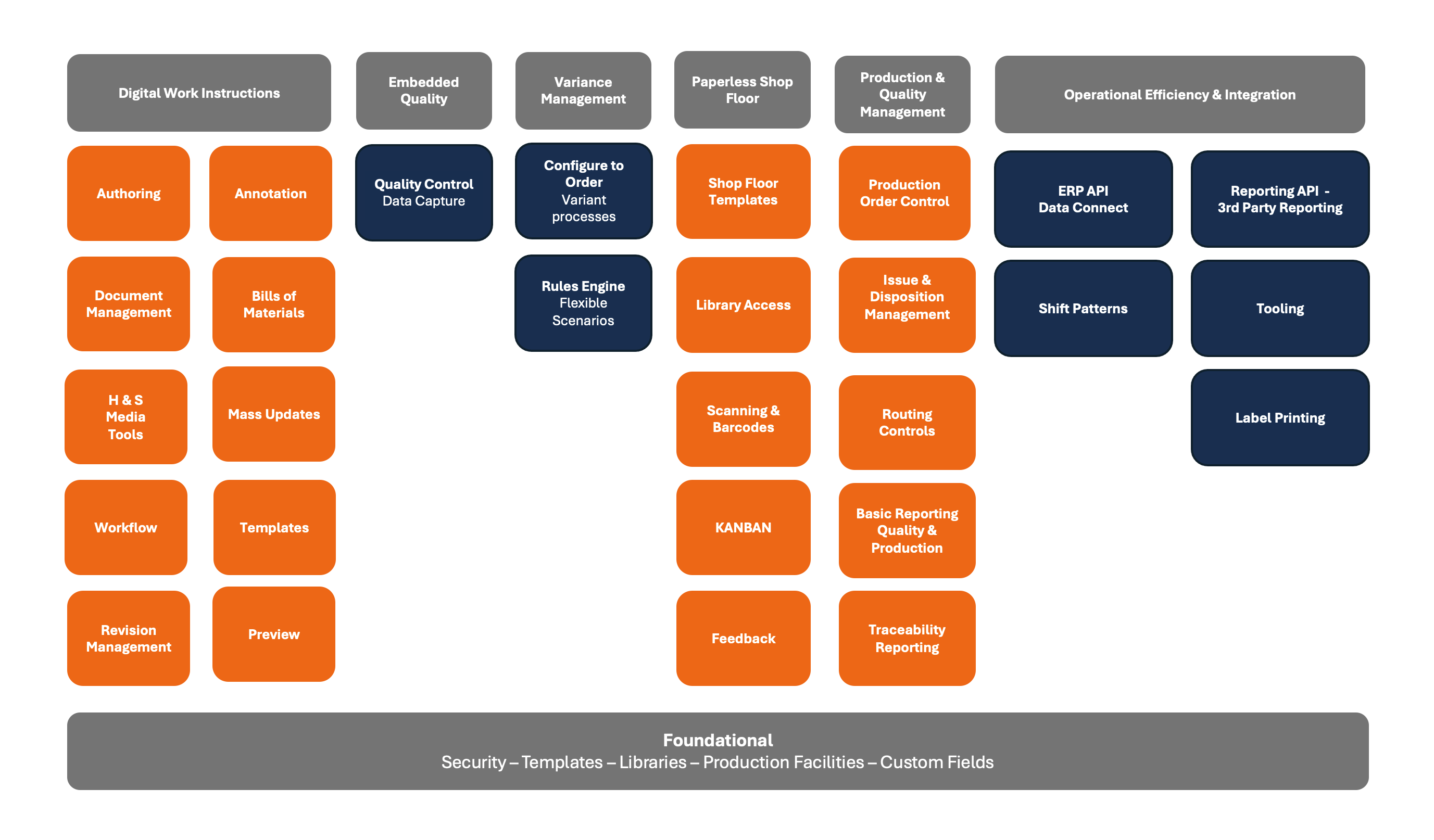
Effective MES Production Software should offer real-time data collection, production tracking, quality management, traceability, and performance reporting. Ensure the system supports KPIs such as OEE, scrap rates, and cycle times, and provides actionable insights rather than just raw data.
Ensure Seamless Integration
The right MES Production Software should integrate smoothly with existing systems such as ERP, QMS, and machine interfaces. Seamless integration reduces data silos, improves information flow, and ensures consistency across planning, execution, and reporting.
Prioritise Usability and Adoption
User-friendly interfaces are essential for shop floor adoption. MES Production Software should be intuitive for operators, supervisors, and managers, requiring minimal training. High usability increases engagement and ensures the system delivers real operational value.
Consider Scalability and Deployment Options
Choose MES Production Software that can scale with your business as production volumes, product lines, or facilities grow. Evaluate whether a cloud-based, on-premise, or hybrid deployment best suits your IT strategy, security requirements, and future expansion plans.
By carefully assessing these factors, manufacturers can select MES Production Software that not only meets current operational needs but also supports continuous improvement and long-term manufacturing success.
Conclusion: Why MES Production Software Is a Game-Changer
In an increasingly competitive and complex manufacturing environment, maintaining high quality while improving efficiency is no longer optional—it is essential. MES Production Software provides manufacturers with the real-time visibility, control, and data-driven insights needed to optimise shop floor operations and achieve consistent results.
By integrating quality management, production monitoring, traceability, and performance analysis into a single platform, MES Production Software enables manufacturers to move from reactive problem-solving to proactive process control. The result is improved product quality, reduced waste, higher productivity, and stronger compliance with industry standards.
Beyond immediate operational gains, MES Production Software supports continuous improvement and long-term scalability. It empowers manufacturers to adapt quickly to changing demands, identify new optimisation opportunities, and build resilient, future-ready production environments.
Ultimately, MES Production Software is not just a technology investment—it is a strategic enabler of manufacturing excellence, helping organisations deliver better products, operate more efficiently, and maintain a competitive edge in today’s dynamic market.