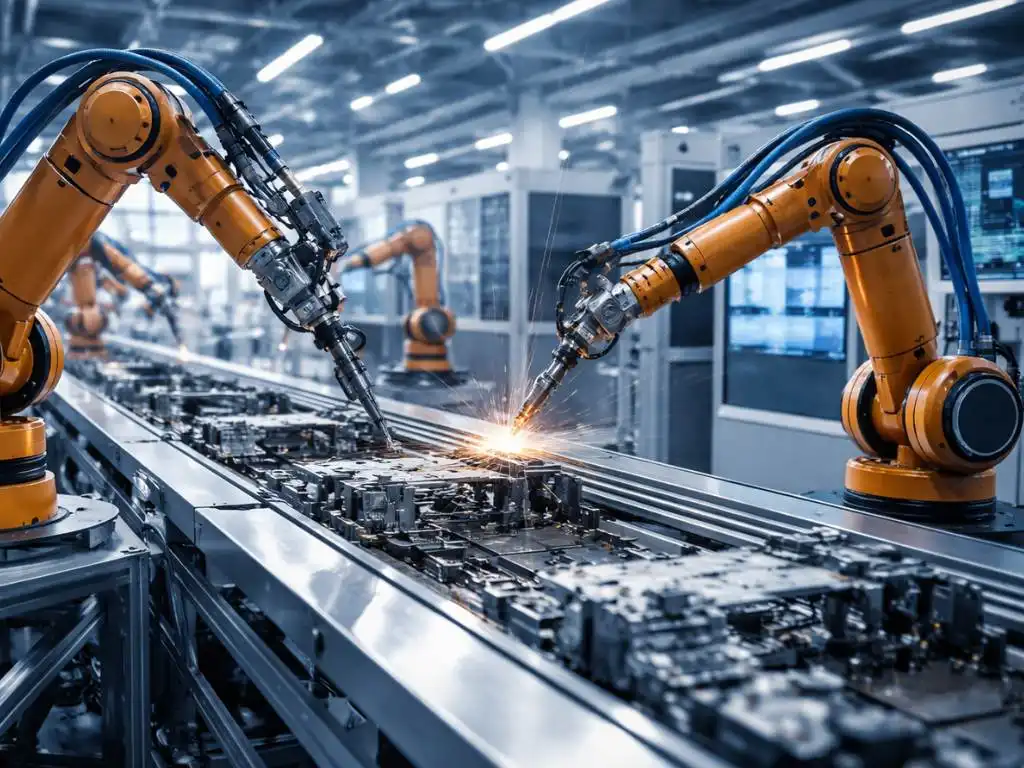
Organisations that operate in the manufacturering sector are under continual pressure to improve efficiency, reduce costs, maintain quality, and adapt to rapidly changing market demands. Traditional improvement initiatives often focus on isolated processes or rely on manual analysis, which limits their impact. To stay competitive, organisations must adopt a data-driven approach to manufacturing process optimisation—one that connects operational data, quality insights, and process intelligence across the entire production ecosystem.
Manufacturing process optimization is no longer about incremental improvements. It’s about gaining real-time visibility into workflows, identifying hidden inefficiencies, and continuously improving processes at scale. This is where ProcessIQ plays a transformative role. By combining process intelligence with advanced analytics, ProcessIQ enables manufacturers to optimise processes across plants, systems, and teams—delivering measurable improvements in productivity, quality, and operational performance.
What Is Manufacturing Process Optimisation?
Manufacturing process optimisation refers to the systematic improvement of production processes to enhance efficiency, quality, speed, and cost-effectiveness. It involves analyzing workflows, identifying bottlenecks, eliminating waste, and implementing continuous improvement strategies across the manufacturing lifecycle.
Unlike traditional process improvement methods, modern manufacturing process optimization leverages digital technologies, data analytics, and automation to deliver scalable and sustainable results.
Key Objectives of Manufacturing Process Optimisation
- Improve production efficiency and throughput
- Reduce operational costs and waste
- Enhance product quality and consistency
- Minimise downtime and process variability
- Optimise resource utilisation
- Strengthen compliance and risk management
By aligning operational data with strategic goals, manufacturers can achieve continuous and measurable improvements in performance.
Challenges in Traditional Manufacturing Process Optimisation
Despite its importance, many manufacturers struggle to implement effective optimization strategies due to systemic challenges.
Data Silos Across Manufacturing Systems
Manufacturing data is often scattered across ERP, MES, QMS, IoT platforms, and legacy systems. This fragmentation prevents organizations from gaining a unified view of processes and performance.
Limited Process Visibility
Without real-time insights, manufacturers rely on historical reports and manual audits, which hinder timely decision-making.
Reactive Decision-Making
Traditional optimization efforts are often reactive, addressing issues only after they impact production quality or efficiency.
Difficulty Scaling Optimization Across Operations
Many organizations achieve improvements in isolated areas but struggle to replicate success across plants, production lines, or global operations.
These challenges highlight the need for intelligent platforms that connect data, processes, and insights across the manufacturing value chain.
The Role of Process Intelligence in Manufacturing Process Optimisation
Process intelligence combines process mining, analytics, and automation insights to reveal how processes actually operate in real-world environments. It goes beyond static reports by uncovering hidden inefficiencies, deviations, and bottlenecks in workflows.
In manufacturing, process intelligence enables organizations to:
- Visualize end-to-end production workflows
- Identify inefficiencies and process deviations
- Understand root causes of defects and delays
- Optimize workflows based on real operational data
ProcessIQ integrates process intelligence with manufacturing data to provide a holistic foundation for optimization. This approach enables manufacturers to move from intuition-based decisions to data-driven process optimization.
How ProcessIQ Enables Manufacturing Process Optimisation at Scale
ProcessIQ is designed to help manufacturers optimize processes across complex, multi-system environments. By connecting data from ERP, MES, QMS, IoT, and other platforms, ProcessIQ delivers a unified view of manufacturing operations.
Unified Visibility Across Manufacturing Processes
ProcessIQ consolidates data from multiple systems into a single platform, enabling manufacturers to understand how processes flow across production, quality, and supply chain operations.
Real-Time Process Monitoring and Analytics
With real-time dashboards and KPIs, manufacturers can monitor process performance, detect anomalies, and respond proactively to emerging issues.
Bottleneck Detection and Root Cause Analysis
ProcessIQ identifies bottlenecks and inefficiencies that impact production performance. Advanced analytics reveal the root causes of delays, defects, and process variability.
Data-Driven Process Improvement
Manufacturers can simulate process changes, evaluate improvement scenarios, and implement targeted optimization strategies based on real data.
Automation and Workflow Optimisation
ProcessIQ supports automation initiatives by identifying repetitive tasks and optimization opportunities across workflows.
Scaling Optimization Across Plants and Teams
ProcessIQ enables organizations to standardize optimization practices and scale improvements across multiple facilities and teams.
By embedding process intelligence into manufacturing operations, ProcessIQ transforms optimization from a tactical initiative into a strategic capability.
Key Features of ProcessIQ for Manufacturing Process Optimisation
ProcessIQ offers a comprehensive set of features tailored to manufacturing environments.
Process Mining and Visualisation
Visualize real-world workflows and identify deviations from standard operating procedures.
Manufacturing KPI Tracking
Monitor critical metrics such as throughput, cycle time, defect rates, and downtime.
Quality and Compliance Insights
Integrate quality data with process analytics to improve compliance and reduce quality risks.
Integration with ERP, MES, and QMS Systems
Seamless integration ensures consistent data flow across manufacturing systems.
Predictive Analytics and AI-Driven Insights
Leverage predictive models to anticipate process issues and optimize decision-making.
Custom Dashboards and Reporting
Create role-specific dashboards for operators, managers, and executives.
Business Benefits of Manufacturing Process Optimisation with ProcessIQ
Implementing manufacturing process optimisation with ProcessIQ delivers measurable business outcomes.
Improved Operational Efficiency
Manufacturers can streamline workflows, reduce bottlenecks, and increase throughput.
Reduced Costs and Waste
Early identification of inefficiencies minimizes rework, scrap, and downtime.
Higher Product Quality
Integrating quality insights with process data ensures consistent product standards.
Faster and Smarter Decision-Making
Real-time insights enable proactive decision-making across operations.
Enhanced Compliance and Risk Management
Automated documentation and traceability simplify regulatory compliance.
Scalable Manufacturing Performance
ProcessIQ supports continuous improvement across multiple plants and production lines.
Use Cases of Manufacturing Process Optimization with ProcessIQ
Automotive Manufacturing
ProcessIQ identifies process deviations that impact quality and production efficiency.
Electronics Manufacturing
Real-time monitoring reduces defect rates in high-volume production environments.
Pharmaceutical Manufacturing
ProcessIQ supports regulatory compliance and process traceability.
Food and Beverage Manufacturing
Manufacturers optimize workflows to ensure consistent quality and reduce variability.
Heavy Industry and Metals
ProcessIQ improves operational transparency and reduces process inefficiencies.
ProcessIQ vs Traditional Manufacturing Optimisation Tools
| Criteria | Traditional Optimisation Tools | ProcessIQ |
|---|---|---|
| Process visibility | Limited | Real-time, end-to-end |
| Data integration | Fragmented | Unified across systems |
| Insights | Manual and reactive | Automated and predictive |
| Scalability | Limited | Enterprise-scale |
| Optimization impact | Tactical | Strategic and continuous |
Unlike traditional tools, ProcessIQ connects process intelligence with manufacturing data, enabling sustainable optimisation at scale.
How to Implement Manufacturing Process Optimisation Successfully
Step 1: Assess Current Processes
Analyze existing workflows and identify performance gaps.
Step 2: Integrate Manufacturing Data
Connect ERP, MES, QMS, and IoT systems to create a unified data foundation.
Step 3: Identify Bottlenecks and Inefficiencies
Use process intelligence to uncover inefficiencies and root causes.
Step 4: Implement Targeted Improvements
Apply data-driven optimisation strategies to improve workflows.
Step 5: Monitor and Optimize Continuously
Establish continuous improvement cycles supported by real-time insights.
FAQs About Manufacturing Process Optimisation
What is manufacturing process optimisation?
Manufacturing process optimization is the practice of improving production workflows to enhance efficiency, quality, and cost-effectiveness.
Why is manufacturing process optimisation important?
It helps manufacturers reduce costs, improve quality, and achieve operational excellence in competitive markets.
What tools are used for manufacturing process optimisation?
Process intelligence platforms, analytics tools, automation systems, and quality management software are commonly used.
How does ProcessIQ support manufacturing process optimisation?
ProcessIQ integrates process intelligence with manufacturing data to provide real-time insights, root cause analysis, and scalable optimization capabilities.
What are the benefits of manufacturing process optimisation?
Key benefits include improved efficiency, reduced costs, enhanced quality, and scalable operational performance.
Start Manufacturing Process Optimisation with ProcessIQ
Manufacturing leaders are increasingly recognising that optimization is not a one-time initiative—it’s a continuous journey. By leveraging manufacturing process optimization with ProcessIQ, organizations can unlock deeper insights into processes, improve operational performance, and build a foundation for sustainable growth.
ProcessIQ empowers manufacturers with real-time visibility, process intelligence, and data-driven insights—enabling them to optimise manufacturing processes at scale.