Why MES Software Matters in Modern Manufacturing
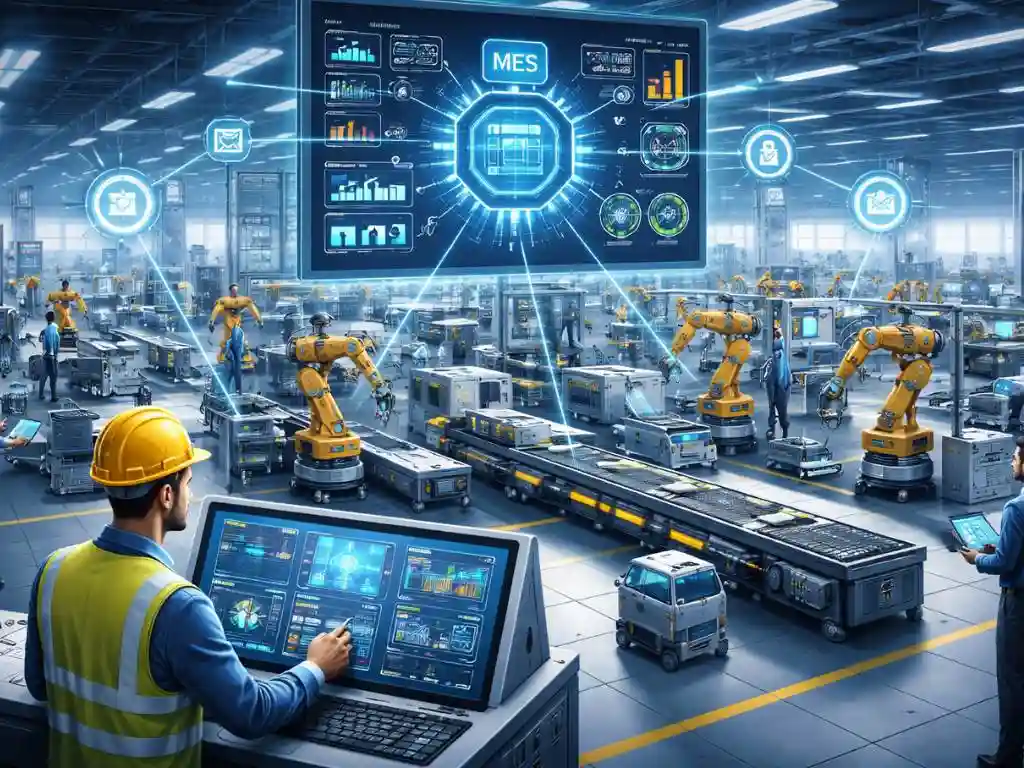
MES software (Manufacturing Execution System software) has become a critical tool for manufacturers aiming to improve efficiency, reduce costs, and gain real-time control over production. As manufacturing environments grow more complex, relying on manual tracking or disconnected systems is no longer sufficient.
Today, manufacturers need accurate, real-time data to optimise workflows, minimise downtime, and maintain consistent product quality. MES software bridges the gap between planning systems and shop-floor operations, enabling organisations to make faster, smarter decisions.
What Is MES Software?
MES software is a digital system that monitors, tracks, and manages manufacturing operations in real time. It connects machines, operators, and enterprise systems to ensure production processes run efficiently and according to plan.
It acts as the operational layer between ERP systems and the shop floor, providing visibility into production performance, resource utilisation, and quality control.
How MES Software Works
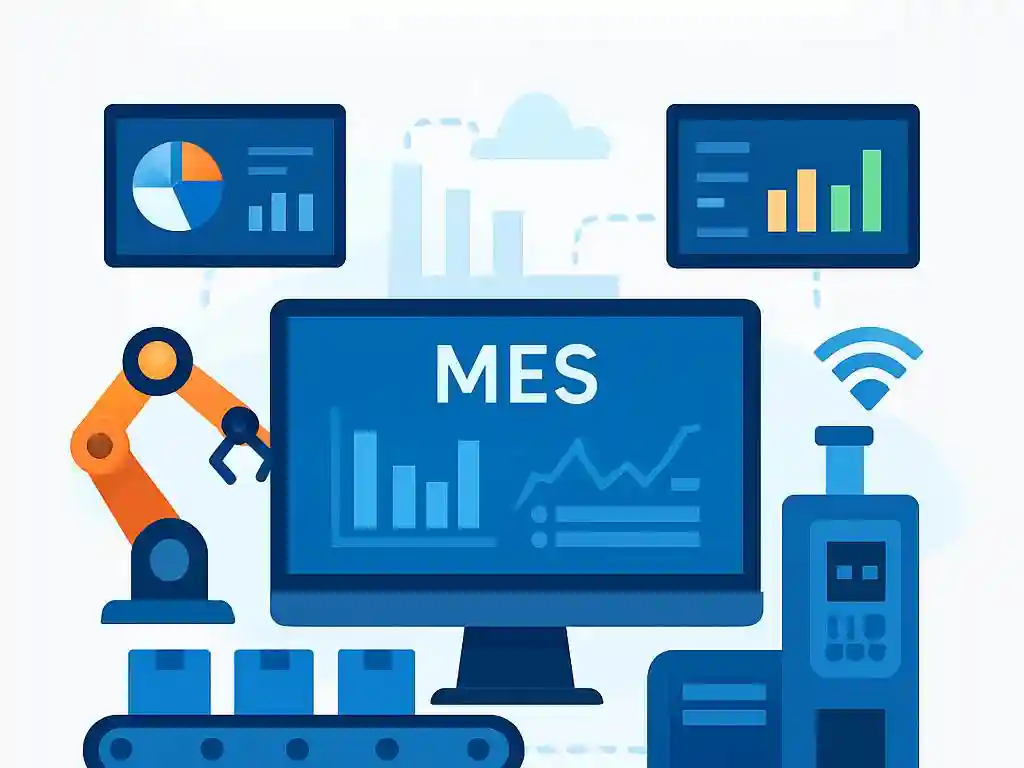
MES software collects data directly from:
- Machines and equipment
- Operators and workstations
- Sensors and IoT devices
It then processes this data to:
- Track production progress
- Monitor performance metrics
- Identify inefficiencies
- Provide actionable insights
As a result, manufacturers can respond instantly to issues and optimise operations continuously.
Key Features of MES Software
Real-Time Production Monitoring
Track machine status, work orders, and production progress instantly.
Production Scheduling & Dispatching
Ensure the right tasks are assigned at the right time.
Quality Management
Maintain product consistency with automated checks and traceability.
Performance Analytics
Measure KPIs such as OEE, cycle time, and throughput.
Inventory & Material Tracking
Ensure materials are available and used efficiently.
Machine Integration (IIoT)
Connect with equipment for automatic data collection.
Benefits of MES Software
Improved Production Efficiency
Identify bottlenecks and optimise workflows in real time.
Reduced Downtime
Detect and resolve issues quickly with live alerts.
Enhanced Product Quality
Standardise processes and reduce defects.
Better Decision-Making
Use real-time data instead of assumptions.
Increased Visibility
Gain full transparency across the shop floor.
Cost Reduction
Minimise waste, rework, and operational inefficiencies.
MES Software vs ERP: What’s the Difference?
| Feature | MES Software | ERP System |
|---|---|---|
| Focus | Shop-floor execution | Business planning |
| Data | Real-time | Periodic |
| Function | Production control | Finance, HR, inventory |
| Usage | Operators & managers | Executives & planners |
👉 Key Insight: ERP plans production, while MES software ensures it is executed efficiently.
Who Needs MES Software?
MES software is ideal for:
- Small & mid-sized manufacturers looking to scale operations
- Large enterprises managing multiple production lines
- Discrete manufacturers (automotive, electronics)
- Process industries (food, pharma, chemicals)
- High-mix manufacturers handling complex production
Industries That Use MES Software
- Automotive
- Electronics
- Food & Beverage
- Pharmaceuticals
- Aerospace
- Industrial Manufacturing
How to Choose the Right MES Software
Scalability
Ensure the system grows with your business.
Integration Capabilities
Check compatibility with ERP and machines.
User-Friendly Interface
Simplify adoption across teams.
Customisation Options
Adapt the system to your workflows.
Cloud vs On-Premise
Choose based on flexibility and infrastructure.
MES Software Implementation: Best Practices
- Start with clear goals
- Use a phased rollout approach
- Train employees effectively
- Integrate with existing systems
- Monitor performance continuously
Future of MES Software
MES software is evolving with:
- Artificial Intelligence (AI)
- Predictive analytics
- Digital twins
- Cloud-based platforms
- Industry 4.0 integration
As a result, manufacturers can expect even greater automation and efficiency in the coming years.
FAQs About MES Software
What is MES software used for?
MES software is used to monitor, control, and optimise manufacturing operations in real time, improving efficiency and quality.
Is MES software suitable for small businesses?
Yes, modern MES solutions are scalable and suitable for businesses of all sizes.
How does MES software improve efficiency?
It provides real-time visibility, reduces downtime, automates workflows, and enables data-driven decision-making.
What is the difference between MES and ERP?
ERP focuses on planning and business processes, while MES software manages real-time production execution.
Conclusion: Why MES Software Is Essential
MES software is no longer optional for manufacturers aiming to stay competitive. By providing real-time insights, improving efficiency, and enabling smarter decisions, it plays a central role in modern manufacturing success.
Businesses that adopt MES software can streamline operations, reduce costs, and build a strong foundation for future growth in an increasingly digital world.