The future of manufacturing is being shaped by rapid advancements in AI, automation, and digital technologies. As industries evolve, manufacturers are adopting smarter systems to improve efficiency, reduce costs, and stay competitive in a global market.
What Is the Future of Manufacturing?
The future of manufacturing refers to the ongoing transformation of production processes driven by advanced technologies such as artificial intelligence (AI), automation, Industrial IoT (IIoT), and data analytics. It represents a shift from traditional, manual operations to highly connected, intelligent, and efficient manufacturing environments.
In this new era, manufacturers are moving toward smart factories where machines, systems, and people are digitally integrated. These systems collect and analyse real-time data to optimise production, reduce downtime, and improve product quality. As a result, decision-making becomes faster, more accurate, and increasingly automated.
Moreover, the future of manufacturing is not only about technology but also about adaptability and sustainability. Companies are focusing on flexible production models, customised products, and environmentally responsible processes to meet evolving market demands.
Ultimately, the future of manufacturing is defined by innovation, connectivity, and continuous improvement, enabling businesses to stay competitive in a rapidly changing global landscape.
Key Trends Shaping the Future of Manufacturing
The future of manufacturing is being driven by rapid technological advancements and evolving market demands. As industries move toward smarter, more connected operations, several key trends are reshaping how products are designed, produced, and delivered. Understanding these trends is essential for manufacturers looking to stay competitive and future-ready.
Artificial Intelligence and Machine Learning
Artificial intelligence (AI) and machine learning are transforming manufacturing by enabling predictive analytics, process optimisation, and smarter decision-making. For example, AI can analyse production data to identify inefficiencies, predict equipment failures, and improve quality control. As a result, manufacturers can reduce downtime and increase operational efficiency.
Automation and Robotics
Automation continues to play a central role in modern manufacturing. Advanced robotics are now capable of handling complex and repetitive tasks with high precision. Consequently, manufacturers can increase production speed, reduce human error, and maintain consistent quality across operations.
Industrial Internet of Things (IIoT)
The integration of connected devices and sensors is a key component of the future of manufacturing. IIoT enables real-time data collection from machines, allowing manufacturers to monitor performance, track production, and optimise processes continuously. Therefore, businesses gain greater visibility and control over their operations.
Smart Factories and Industry 4.0
Smart factories represent the next phase of industrial evolution, where systems, machines, and processes are interconnected. By leveraging Industry 4.0 technologies, manufacturers can create highly flexible and efficient production environments. As a result, they can quickly adapt to changing demands and improve overall productivity.
Digital Twins and Simulation
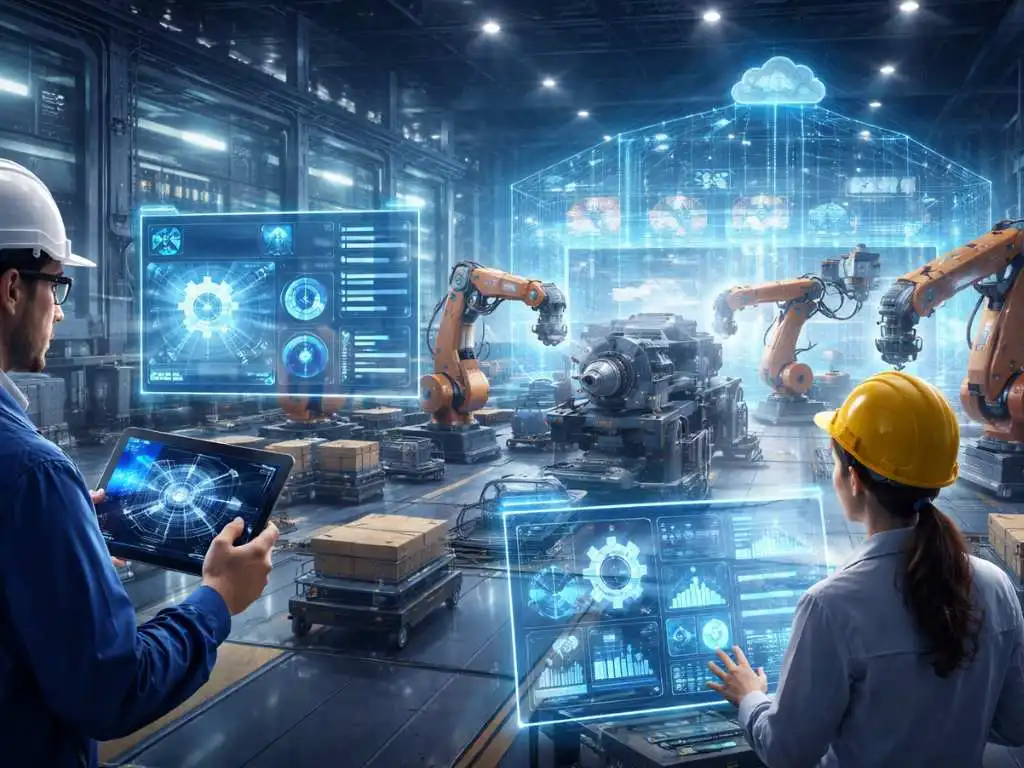
Digital twin technology allows manufacturers to create virtual replicas of physical production systems. These models can simulate different scenarios, test process improvements, and predict outcomes without disrupting actual operations. Consequently, decision-making becomes more accurate and less risky.
Cloud Manufacturing and Data Integration
Cloud-based platforms are enabling manufacturers to access production data from anywhere while ensuring seamless integration across systems. This enhances collaboration, scalability, and data security. Additionally, cloud solutions support faster deployment and easier system updates.
Sustainability and Green Manufacturing
Sustainability is becoming a major focus in the future of manufacturing. Companies are adopting energy-efficient processes, reducing waste, and implementing environmentally friendly practices. As a result, manufacturers can meet regulatory requirements while improving their brand reputation.
Workforce Transformation and Skill Development
As technology evolves, the role of the workforce is also changing. Employees are required to develop new skills to work alongside advanced systems and automation tools. Therefore, continuous training and upskilling are essential for maintaining productivity and innovation.
Role of AI in Modern Manufacturing
Artificial Intelligence (AI) is playing a transformative role in modern manufacturing by enabling smarter, faster, and more efficient production processes. As part of the broader shift toward the future of manufacturing, AI helps organisations move from reactive operations to proactive, data-driven decision-making. By analysing large volumes of production data in real time, AI empowers manufacturers to optimise performance, reduce costs, and improve product quality.
Predictive Maintenance
AI-driven systems analyse machine data to detect patterns and predict potential equipment failures before they occur. As a result, manufacturers can schedule maintenance proactively, reduce unplanned downtime, and extend the lifespan of critical machinery.
Enhanced Quality Control
AI improves quality management by identifying defects and inconsistencies during production. Using advanced analytics and machine learning models, manufacturers can detect issues early, minimise rework, and maintain consistent product standards.
Process Optimisation
AI enables continuous improvement by analysing workflows, identifying bottlenecks, and recommending process enhancements. Consequently, manufacturers can streamline operations, reduce cycle times, and increase overall efficiency.
Demand Forecasting and Planning
By analysing historical data and market trends, AI helps manufacturers forecast demand more accurately. This improves production planning, inventory management, and resource allocation, ensuring better alignment between supply and demand.
Automation and Robotics Integration
AI enhances the capabilities of industrial robots and automated systems by enabling them to adapt to changing conditions. This leads to more flexible and intelligent production environments, supporting the evolution of smart factories.
Data-Driven Decision Making
One of the most significant advantages of AI in manufacturing is its ability to turn raw data into actionable insights. Managers can make faster, more informed decisions based on real-time performance metrics, ultimately improving productivity and competitiveness.
Overall, AI is a key driver of the future of manufacturing, helping organisations build more agile, efficient, and resilient production systems in an increasingly digital industrial landscape.
Benefits of Smart Manufacturing
Smart manufacturing combines advanced technologies such as AI, automation, and Industrial IoT to create highly efficient, connected, and data-driven production environments. As manufacturers continue to embrace digital transformation, smart manufacturing offers significant advantages that go beyond traditional production methods. Consequently, businesses can improve performance, reduce costs, and stay competitive in an evolving industrial landscape.
Improved Operational Efficiency
Smart manufacturing enables real-time monitoring and automation of production processes. As a result, manufacturers can identify inefficiencies, eliminate bottlenecks, and optimise workflows, leading to higher productivity and smoother operations.
Reduced Downtime
With predictive maintenance and real-time machine monitoring, potential issues can be detected before they cause failures. Therefore, unplanned downtime is minimised, ensuring continuous production and better equipment utilisation.
Enhanced Product Quality
Advanced analytics and automated quality control systems help maintain consistent production standards. By identifying defects early, manufacturers can reduce rework and ensure higher product quality.
Greater Flexibility and Agility
Smart manufacturing systems allow businesses to quickly adapt to changing market demands. Whether adjusting production volumes or introducing new products, manufacturers can respond faster without disrupting operations.
Data-Driven Decision Making
Access to real-time production data enables managers to make informed decisions based on accurate insights rather than assumptions. Consequently, businesses can continuously improve processes and achieve better outcomes.
Optimised Resource Utilisation
Smart manufacturing improves the use of materials, labour, and equipment by providing better visibility and control. This leads to reduced waste, lower costs, and more efficient operations.
Improved Supply Chain Integration
Connected systems enable seamless communication between suppliers, manufacturers, and distributors. As a result, inventory management and logistics become more efficient, reducing delays and improving coordination.
Enhanced Sustainability
By reducing waste, optimising energy consumption, and improving resource efficiency, smart manufacturing supports more sustainable production practices. This not only lowers environmental impact but also helps meet regulatory requirements.
Challenges in the Future of Manufacturing
While the future of manufacturing promises greater efficiency, automation, and innovation, it also brings a range of challenges that organisations must address to remain competitive. As new technologies reshape the industry, manufacturers need to adapt quickly while managing risks and operational complexities. Therefore, understanding these challenges is essential for successful digital transformation.
High Implementation Costs
Adopting advanced technologies such as AI, automation, and smart manufacturing systems often requires significant investment. From upgrading infrastructure to integrating new software, the initial costs can be a barrier, especially for small and mid-sized manufacturers.
Workforce Skill Gaps
As manufacturing becomes more technology-driven, there is a growing demand for skilled workers who can operate, manage, and maintain advanced systems. However, many organisations face skill shortages, making it difficult to fully leverage new technologies.
Integration with Legacy Systems
Many manufacturers still rely on older systems that are not designed to work with modern digital tools. Integrating new technologies with legacy infrastructure can be complex, time-consuming, and costly, often slowing down digital transformation efforts.
Cybersecurity Risks
With increased connectivity through Industrial IoT and cloud platforms, manufacturing systems are more vulnerable to cyber threats. Protecting sensitive production data and ensuring system security has become a critical concern for modern manufacturers.
Data Management and Quality
The future of manufacturing relies heavily on data. However, collecting, managing, and analysing large volumes of data can be challenging. Poor data quality or lack of standardisation can lead to inaccurate insights and ineffective decision-making.
Change Management and Resistance
Introducing new technologies often requires significant changes in processes and organisational culture. Employees may resist adopting new systems, which can delay implementation and reduce overall effectiveness.
Supply Chain Complexity
Global supply chains are becoming increasingly complex and unpredictable. Manufacturers must manage disruptions, fluctuating demand, and supplier dependencies while maintaining production efficiency.
Regulatory Compliance
As industries evolve, regulatory requirements continue to change. Manufacturers must ensure compliance with quality, safety, and environmental standards, which can become more challenging with new technologies and processes.
How ProcessIQ Fits Into the Future of Manufacturing
As the future of manufacturing continues to evolve, businesses require more than just automation—they need intelligent, connected systems that provide real-time visibility and control across operations. This is where ProcessIQ plays a crucial role by enabling manufacturers to transition from traditional processes to fully digital, data-driven environments.
ProcessIQ supports modern manufacturing by integrating shop-floor data, production workflows, and operational insights into a single platform. As a result, manufacturers gain real-time visibility into performance, allowing them to identify inefficiencies, reduce downtime, and improve decision-making. This aligns closely with the core principles of smart manufacturing and Industry 4.0.
Enabling Real-Time Data-Driven Manufacturing
One of the key aspects of the future of manufacturing is the ability to make decisions based on live data. ProcessIQ collects and processes real-time information from machines, operators, and production systems. Consequently, manufacturers can respond quickly to issues, optimise workflows, and maintain consistent production quality.
Supporting Automation and Smart Workflows
Automation is central to modern manufacturing environments. ProcessIQ enhances automation by streamlining workflows, digitising manual processes, and ensuring seamless coordination between different stages of production. Therefore, businesses can improve efficiency while reducing reliance on manual intervention.
Improving Quality and Compliance
As quality standards become more stringent, manufacturers must ensure consistency and traceability. ProcessIQ helps embed quality control into production processes, enabling real-time monitoring and accurate record-keeping. This not only reduces defects but also supports compliance with industry regulations.
Enhancing Operational Visibility Across the Enterprise
In the future of manufacturing, disconnected systems will be replaced by fully integrated ecosystems. ProcessIQ provides a unified view of production data, helping organisations align planning, execution, and performance tracking. As a result, decision-makers gain a comprehensive understanding of operations across the entire manufacturing lifecycle.
Driving Continuous Improvement and Scalability
ProcessIQ empowers manufacturers to continuously improve by providing actionable insights and performance analytics. As businesses grow and adopt new technologies, the platform scales alongside them, ensuring long-term efficiency and adaptability in a rapidly changing industry landscape.
The Road Ahead: AI, Automation, and ProcessIQ
The future of manufacturing isn’t about choosing between AI, automation, or human ingenuity—it’s about combining them. AI will keep getting better at predicting, optimising, and adapting. Automation will handle ever-more-complex tasks, from generative design to autonomous logistics. But the human element—creativity, judgment, and problem-solving—remains irreplaceable.
ProcessIQ is here to bridge these worlds. We’re not just a software provider; we’re a partner in modernising your shop floor. Our focus on high-mix, low-volume production means we understand your unique challenges—variability, tight margins, and the pressure to deliver flawless products on time. By blending AI-driven insights with automated precision and human expertise, we’re helping manufacturers achieve what was once unthinkable: efficiency, quality, and flexibility, all at once.
Future of Manufacturing: What to Expect by 2030
The future of manufacturing is set to undergo a major transformation by 2030, driven by rapid advancements in digital technologies, automation, and data-driven decision-making. As global competition intensifies and customer expectations evolve, manufacturers will increasingly adopt smarter, more agile production systems. Consequently, the industry will shift from traditional processes to highly connected and intelligent manufacturing environments.
Widespread Adoption of Smart Factories
By 2030, smart factories will become the standard rather than the exception. These facilities will use connected systems, sensors, and real-time data to monitor and optimise production continuously. As a result, manufacturers will achieve higher efficiency, reduced downtime, and greater operational flexibility.
AI-Driven Decision Making
Artificial intelligence will play a central role in manufacturing operations. From predictive maintenance to demand forecasting, AI will enable faster and more accurate decision-making. Therefore, manufacturers will move away from reactive processes toward proactive and predictive strategies.
Increased Automation and Robotics
Automation will expand beyond repetitive tasks to more complex operations. Advanced robotics and autonomous systems will handle production, material handling, and even quality inspections. This shift will not only improve productivity but also reduce human error and operational risks.
Greater Integration of Industrial IoT (IIoT)
The Industrial Internet of Things will connect machines, systems, and devices across the production environment. This connectivity will provide real-time insights into every aspect of manufacturing, enabling seamless coordination and improved efficiency across the entire value chain.
Rise of Digital Twins and Simulation
Digital twin technology will allow manufacturers to create virtual replicas of production systems. By simulating different scenarios, businesses can test changes, optimise processes, and reduce risks before implementing them in real operations.
Focus on Sustainability and Green Manufacturing
Sustainability will become a key priority. Manufacturers will adopt energy-efficient processes, reduce waste, and use environmentally friendly materials. As a result, companies will not only meet regulatory requirements but also align with growing consumer demand for sustainable practices.
Workforce Transformation and Upskilling
As technology advances, the role of the workforce will evolve. Employees will require new skills in data analysis, automation, and digital systems. Therefore, organisations will invest heavily in training and upskilling to remain competitive.
Cloud-Based and Scalable Manufacturing Systems
Cloud technology will enable manufacturers to manage operations across multiple locations with greater flexibility. This will support scalability, remote monitoring, and faster system updates, making manufacturing more adaptable to changing market demands.
Frequently Asked Questions
What is the future of manufacturing?
The future of manufacturing refers to the transformation of production processes through advanced technologies such as AI, automation, IoT, and smart factory systems. It focuses on improving efficiency, flexibility, and data-driven decision-making across the entire production lifecycle.
How is AI shaping the future of manufacturing?
AI is enabling predictive maintenance, demand forecasting, quality control, and real-time decision-making. As a result, manufacturers can reduce downtime, optimise processes, and improve overall productivity.
What is Industry 4.0 in manufacturing?
Industry 4.0 is the integration of digital technologies such as IoT, automation, and data analytics into manufacturing. It creates smart factories where machines, systems, and people are interconnected for improved efficiency and control.
What technologies will define manufacturing by 2030?
Key technologies include artificial intelligence, robotics, Industrial IoT (IIoT), digital twins, cloud computing, and advanced analytics. Together, these innovations will drive smarter and more efficient manufacturing operations.
Will automation replace human workers in manufacturing?
While automation will handle repetitive and complex tasks, human workers will remain essential. However, roles will shift toward more technical and analytical responsibilities, requiring upskilling and digital expertise.
Why is sustainability important in the future of manufacturing?
Sustainability helps manufacturers reduce environmental impact, comply with regulations, and meet consumer expectations. Energy-efficient processes and waste reduction will become key priorities in modern manufacturing.
How can manufacturers prepare for the future?
Manufacturers can prepare by adopting digital technologies, investing in workforce training, integrating smart systems, and focusing on continuous improvement. Early adoption will provide a strong competitive advantage.
What role do MES systems play in the future of manufacturing?
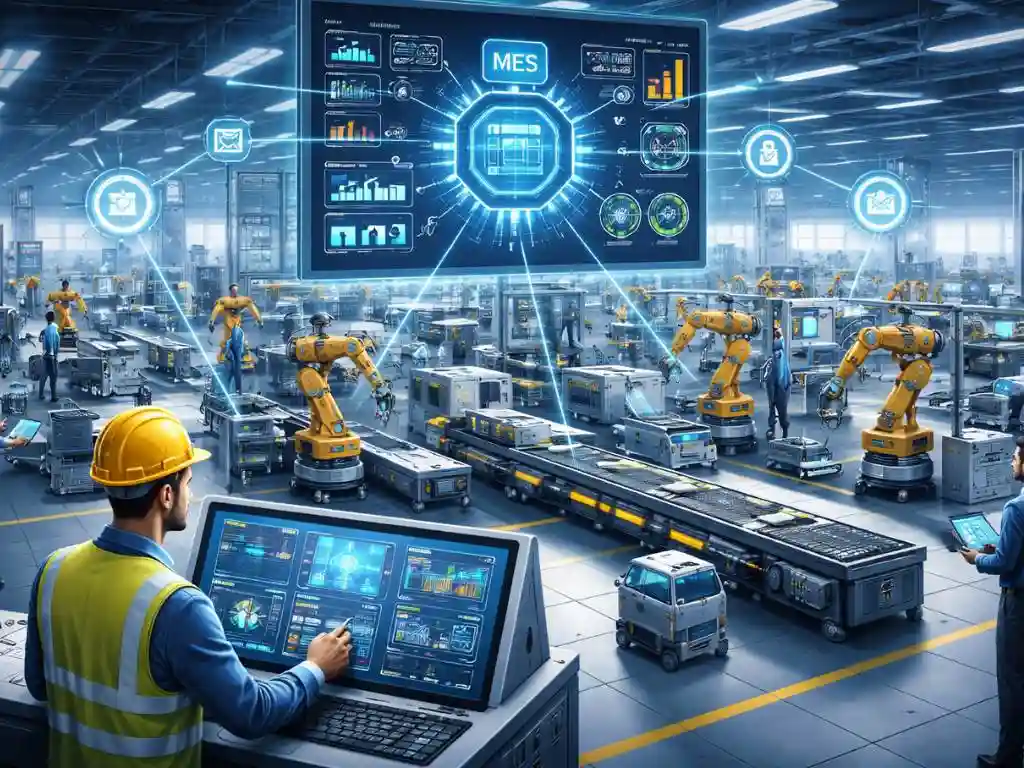
MES (Manufacturing Execution Systems) play a critical role by providing real-time production visibility, improving workflow efficiency, and enabling data-driven decision-making. They act as a bridge between planning and execution in smart manufacturing environments.
Join the Future with ProcessIQ
The manufacturing revolution is underway, and standing still isn’t an option. With ProcessIQ, you’re not just keeping up—you’re leading the charge. Ready to transform your shop floor? Contact us today at [email protected] or visit processiq.io to see how we can help you build smarter, faster, and better.
Let’s shape the future of manufacturing together.